Difference between revisions of "Minibee TRL1"
Wiki.admin (talk | contribs) (Created page with "{{DISPLAYTITLE:TRL 1 – Mini-Bee}} __TOC__ <div style="border:1px solid #cfd6dd; background:#ffffff; margin-bottom:20px;"> <div style="background:#1f3a5f; color:#ffffff; pa...") |
Wiki.admin (talk | contribs) |
||
| Line 8: | Line 8: | ||
</div> | </div> | ||
<div style="padding:16px;"> | <div style="padding:16px;"> | ||
| − | + | {| style="width:100%; border-collapse:collapse;" | |
| + | |- | ||
| + | | style="width:48%; vertical-align:middle; padding-right:18px;" | | ||
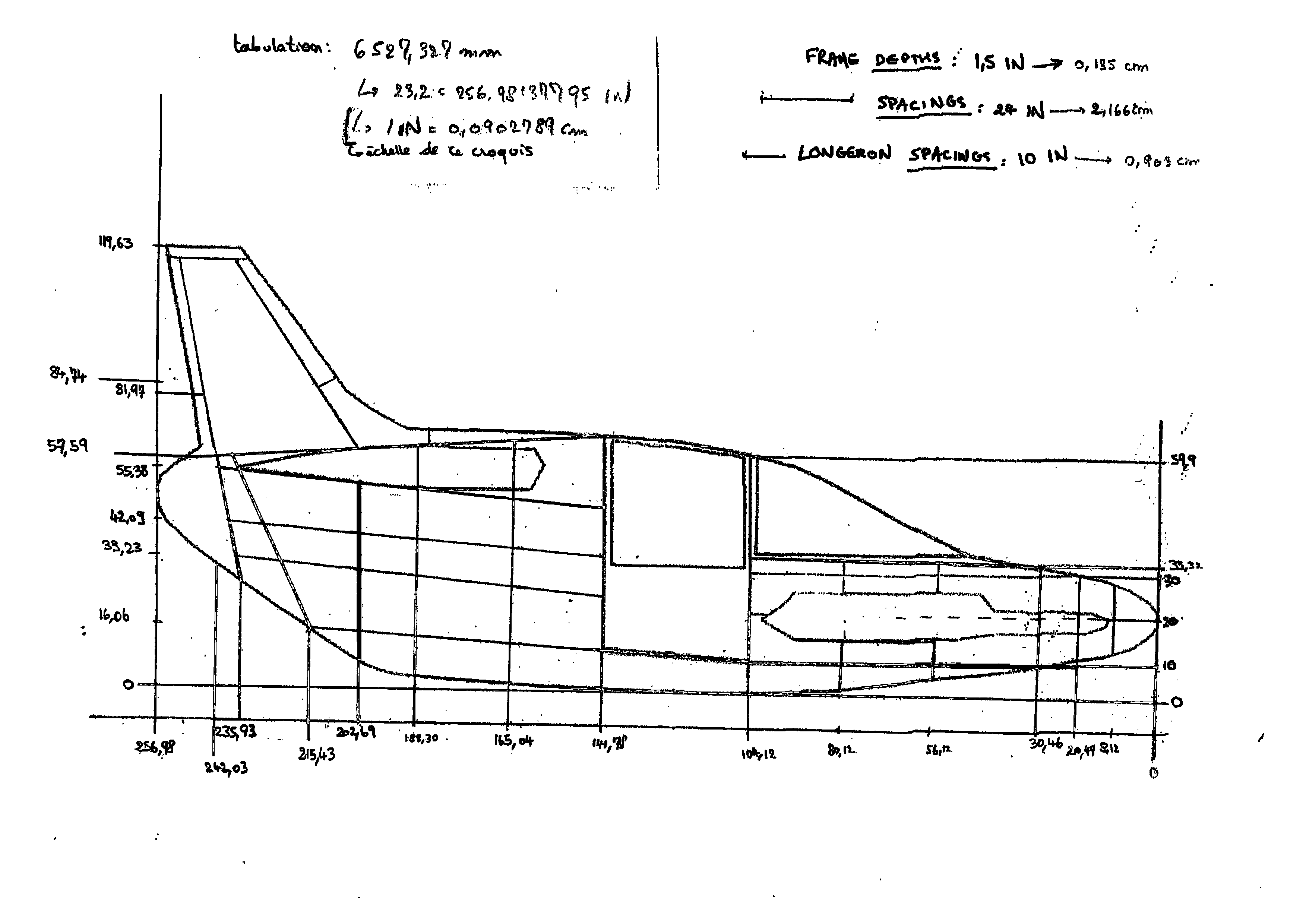
| + | '''Mini-Bee''' started as a compact hybrid VTOL concept focused on practical missions, simplified deployment and distributed propulsion. | ||
| + | |||
| + | At '''TRL 1''', the objective was to identify the basic principles that could justify the development of a new light VTOL aircraft concept. | ||
| + | |||
| + | This page documents the earliest maturity stage of the project: mission origin, first technical observations, initial assumptions and early concept visuals. | ||
| + | |||
| + | | style="width:52%; vertical-align:middle; text-align:center;" | | ||
| + | [[File:MiniBee_TRL1_01_initial_sketch.png|frameless|620px|Initial Mini-Bee concept sketch]] | ||
| + | <div style="color:#4b5563; margin-top:6px;">Initial concept sketch – early Mini-Bee visual exploration</div> | ||
| + | |} | ||
</div> | </div> | ||
</div> | </div> | ||
| + | |||
| + | == Quick project summary == | ||
{| style="width:100%; border-collapse:separate; border-spacing:12px; margin-bottom:20px;" | {| style="width:100%; border-collapse:separate; border-spacing:12px; margin-bottom:20px;" | ||
| Line 19: | Line 33: | ||
| style="width:25%; vertical-align:top; border:1px solid #cfd6dd; background:#f6f8fa; padding:12px;" | | | style="width:25%; vertical-align:top; border:1px solid #cfd6dd; background:#f6f8fa; padding:12px;" | | ||
| − | '''TRL stage | + | '''TRL stage'''<br /> |
TRL 1 – Basic Principles Observed | TRL 1 – Basic Principles Observed | ||
| style="width:25%; vertical-align:top; border:1px solid #cfd6dd; background:#f6f8fa; padding:12px;" | | | style="width:25%; vertical-align:top; border:1px solid #cfd6dd; background:#f6f8fa; padding:12px;" | | ||
| − | '''Initial | + | '''Initial project logic'''<br /> |
| − | + | Hybrid VTOL multicopter | |
| style="width:25%; vertical-align:top; border:1px solid #cfd6dd; background:#f6f8fa; padding:12px;" | | | style="width:25%; vertical-align:top; border:1px solid #cfd6dd; background:#f6f8fa; padding:12px;" | | ||
| − | ''' | + | '''Primary mission direction'''<br /> |
| − | + | Emergency, humanitarian and light air mobility | |
| + | |} | ||
| + | |||
| + | == Visual introduction == | ||
| + | |||
| + | {| style="width:100%; border-collapse:separate; border-spacing:12px; margin-bottom:20px;" | ||
| + | |- | ||
| + | | style="width:33%; vertical-align:top; border:1px solid #cfd6dd; background:#ffffff; padding:10px; text-align:center;" | | ||
| + | [[File:MiniBee_TRL1_01_initial_sketch.png|frameless|300px|Initial sketch]] | ||
| + | <div style="margin-top:8px;">'''Initial sketch'''</div> | ||
| + | <div style="color:#4b5563;">First visual expression of the compact VTOL idea.</div> | ||
| + | <div style="margin-top:8px;">[[Media:MiniBee_TRL1_01_initial_sketch.png|Open image]]</div> | ||
| + | |||
| + | | style="width:33%; vertical-align:top; border:1px solid #cfd6dd; background:#ffffff; padding:10px; text-align:center;" | | ||
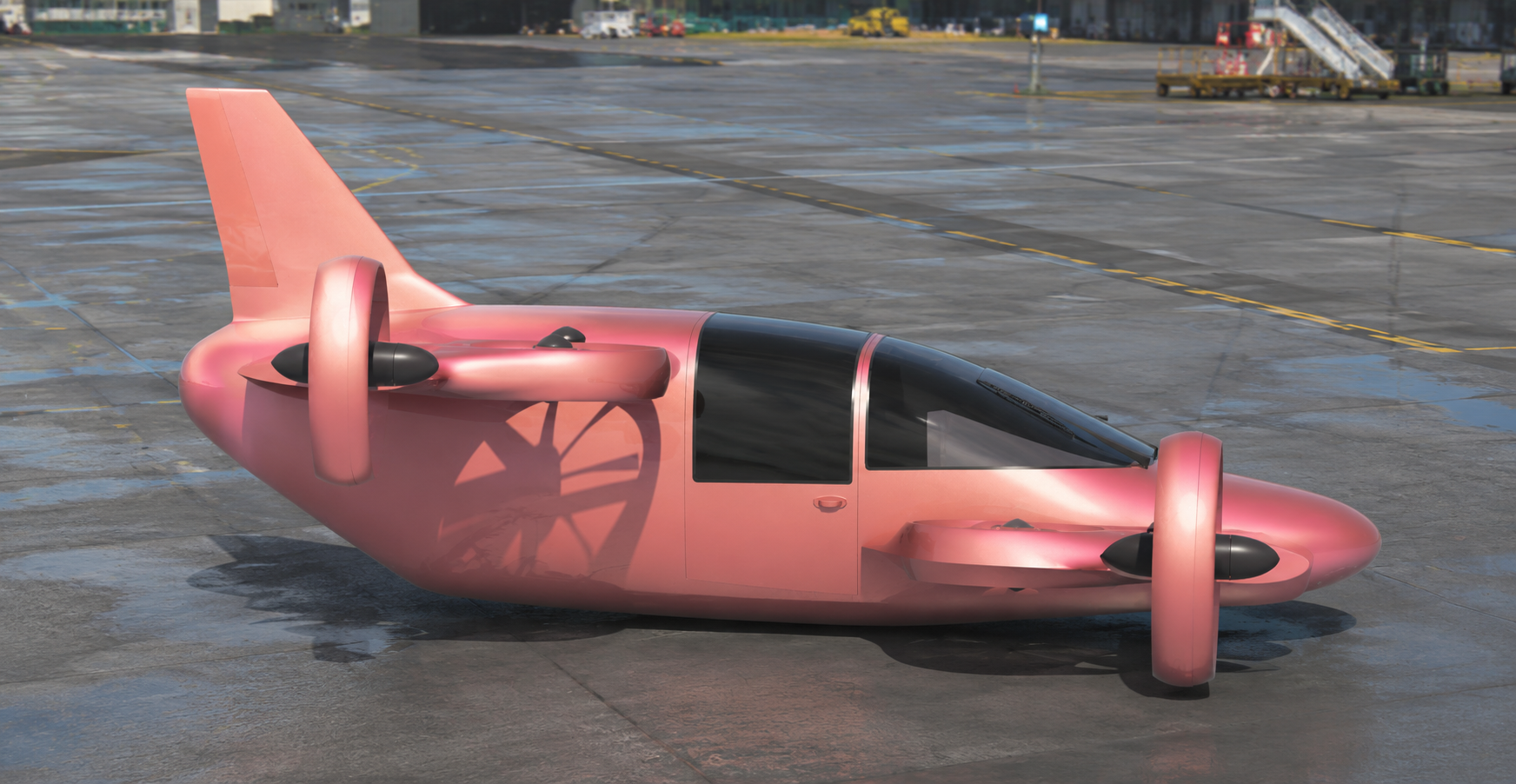
| + | [[File:MiniBee_TRL1_02_colored_concept.png|frameless|300px|Colored concept]] | ||
| + | <div style="margin-top:8px;">'''Colored concept'''</div> | ||
| + | <div style="color:#4b5563;">Early visualization of the aircraft layout and rotor structure.</div> | ||
| + | <div style="margin-top:8px;">[[Media:MiniBee_TRL1_02_colored_concept.png|Open image]]</div> | ||
| + | |||
| + | | style="width:33%; vertical-align:top; border:1px solid #cfd6dd; background:#ffffff; padding:10px; text-align:center;" | | ||
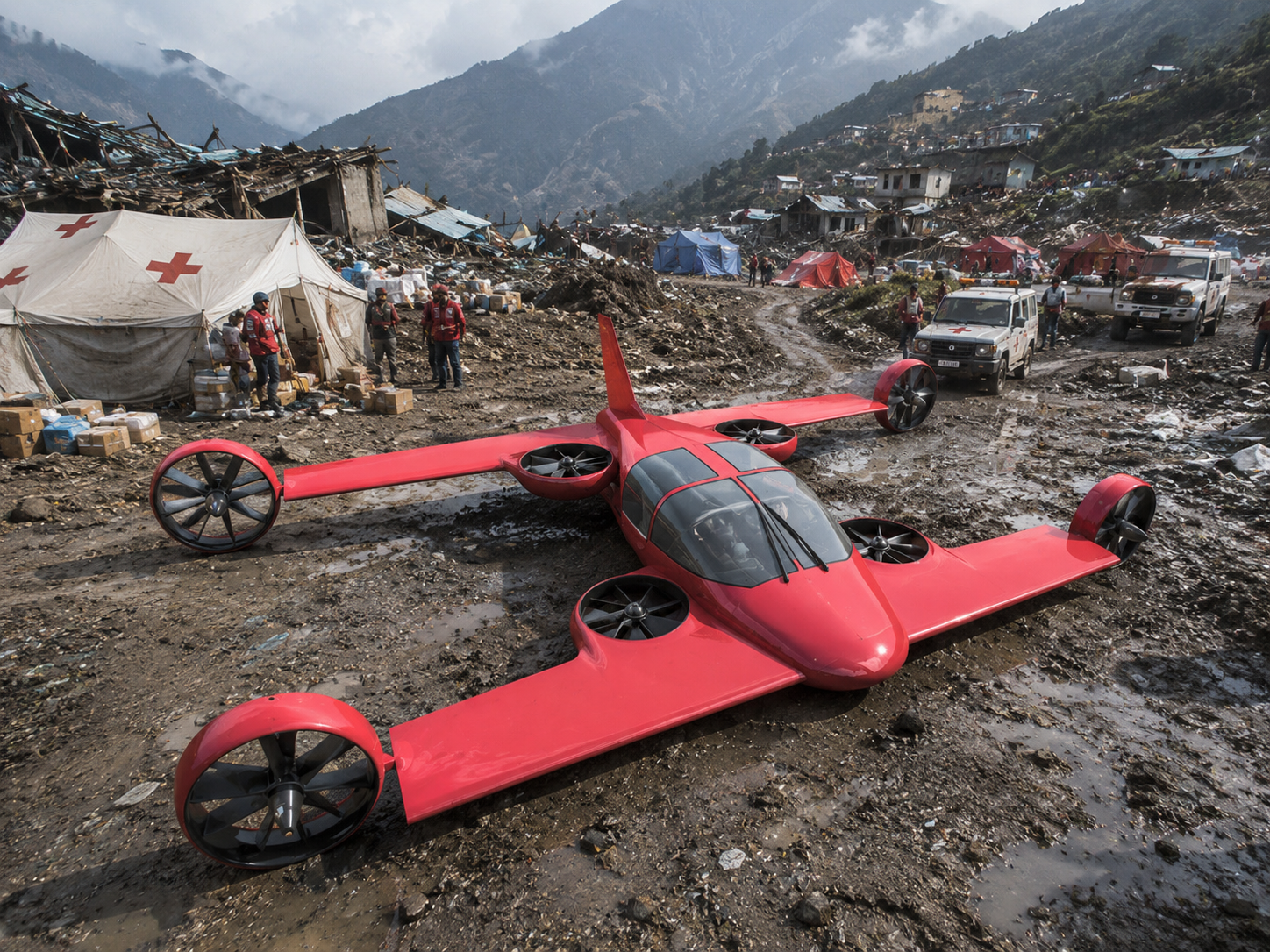
| + | [[File:MiniBee_TRL1_04_runway_render.png|frameless|300px|Runway render]] | ||
| + | <div style="margin-top:8px;">'''Mission-oriented render'''</div> | ||
| + | <div style="color:#4b5563;">Concept placed in an aviation environment to support project communication.</div> | ||
| + | <div style="margin-top:8px;">[[Media:MiniBee_TRL1_04_runway_render.png|Open image]]</div> | ||
|} | |} | ||
| Line 35: | Line 72: | ||
'''Mini-Bee''' is a hybrid VTOL multicopter project developed within the Collaborative Bee framework. | '''Mini-Bee''' is a hybrid VTOL multicopter project developed within the Collaborative Bee framework. | ||
| − | The project was initiated to explore a new type of compact vertical take-off and landing aircraft capable of | + | The project was initiated to explore a new type of compact vertical take-off and landing aircraft capable of addressing practical missions with a lighter and potentially more deployable architecture than conventional helicopter solutions. |
| − | At '''TRL 1''', Mini-Bee | + | At '''TRL 1''', Mini-Bee was not yet a validated aircraft design. It was an early-stage concept supported by observed principles, mission needs and initial technical assumptions. |
| − | + | <div style="border-left:4px solid #1f3a5f; background:#f6f8fa; padding:12px; margin:16px 0;"> | |
| − | + | '''TRL 1 objective:''' identify whether the basic principles behind a compact hybrid VTOL multicopter are relevant enough to justify a structured concept phase. | |
| − | <div style="border: | ||
| − | ''' | ||
</div> | </div> | ||
| − | |||
| − | |||
| − | |||
| − | |||
| − | |||
| − | |||
== Mission origin == | == Mission origin == | ||
| − | The Mini-Bee | + | The Mini-Bee concept emerged from the observation that many emergency and humanitarian missions require an aircraft that can operate without heavy infrastructure. |
| − | + | The initial need was based on several operational constraints: | |
| − | |||
| − | |||
| − | |||
| − | |||
| − | |||
| − | + | * access to areas with limited or no runway infrastructure; | |
| + | * rapid deployment for emergency or humanitarian missions; | ||
| + | * reduced logistics compared with conventional helicopter deployment; | ||
| + | * compact aircraft size for focused missions; | ||
| + | * potential reduction of operating cost; | ||
| + | * simplified mission-oriented architecture. | ||
| − | == | + | == Early concept visuals == |
| − | + | <gallery mode="packed" heights="180"> | |
| − | + | File:MiniBee_TRL1_01_initial_sketch.png|Initial sketch – basic project intuition | |
| − | < | + | File:MiniBee_TRL1_02_colored_concept.png|Colored concept – early layout exploration |
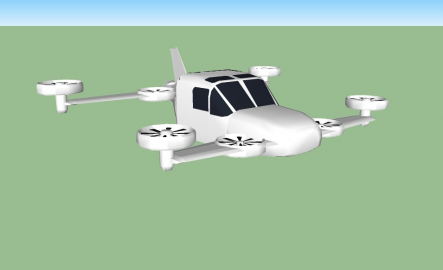
| − | + | File:MiniBee_TRL1_03_colored_concept_side.png|Side concept view – aircraft readability | |
| − | </ | + | File:MiniBee_TRL1_04_runway_render.png|Runway render – aviation environment |
| − | + | File:MiniBee_TRL1_05_runway_render_wide.png|Wide runway render – mission communication | |
| − | + | File:MiniBee_TRL1_06_concept_sketch_runway.png|Sketch render – concept atmosphere | |
| + | </gallery> | ||
== Basic principles observed == | == Basic principles observed == | ||
| Line 81: | Line 111: | ||
|- | |- | ||
| style="width:33%; vertical-align:top; border:1px solid #cfd6dd; background:#ffffff; padding:12px;" | | | style="width:33%; vertical-align:top; border:1px solid #cfd6dd; background:#ffffff; padding:12px;" | | ||
| − | '''Vertical take-off and landing | + | '''Vertical take-off and landing''' |
| − | + | VTOL capability was identified as a strong operational advantage for missions in constrained environments. | |
| style="width:33%; vertical-align:top; border:1px solid #cfd6dd; background:#ffffff; padding:12px;" | | | style="width:33%; vertical-align:top; border:1px solid #cfd6dd; background:#ffffff; padding:12px;" | | ||
| − | '''Distributed propulsion | + | '''Distributed propulsion''' |
| − | + | The project observed that distributing lift across several rotors could open a different design path from conventional helicopter architecture. | |
| style="width:33%; vertical-align:top; border:1px solid #cfd6dd; background:#ffffff; padding:12px;" | | | style="width:33%; vertical-align:top; border:1px solid #cfd6dd; background:#ffffff; padding:12px;" | | ||
| − | ''' | + | '''Compact mission aircraft''' |
| − | + | A small two-person aircraft format was considered relevant for focused missions and simplified deployment. | |
| − | |||
| − | |||
| − | |||
|- | |- | ||
| style="width:33%; vertical-align:top; border:1px solid #cfd6dd; background:#ffffff; padding:12px;" | | | style="width:33%; vertical-align:top; border:1px solid #cfd6dd; background:#ffffff; padding:12px;" | | ||
'''Hybrid energy pathway''' | '''Hybrid energy pathway''' | ||
| − | + | Hybrid propulsion was identified as a potential way to combine endurance with electric propulsion distribution. | |
| style="width:33%; vertical-align:top; border:1px solid #cfd6dd; background:#ffffff; padding:12px;" | | | style="width:33%; vertical-align:top; border:1px solid #cfd6dd; background:#ffffff; padding:12px;" | | ||
| − | ''' | + | '''Operational deployment''' |
| − | + | Transportability and field assembly were considered from the beginning as part of the aircraft logic. | |
| style="width:33%; vertical-align:top; border:1px solid #cfd6dd; background:#ffffff; padding:12px;" | | | style="width:33%; vertical-align:top; border:1px solid #cfd6dd; background:#ffffff; padding:12px;" | | ||
| − | '''Safety | + | '''Safety-oriented architecture''' |
| − | + | Redundancy, emergency descent logic and simplified piloting were identified as important future design drivers. | |
|} | |} | ||
== What TRL 1 covered == | == What TRL 1 covered == | ||
| − | + | {| style="width:100%; border-collapse:separate; border-spacing:12px; margin:16px 0;" | |
| + | |- | ||
| + | | style="width:50%; vertical-align:top; border:1px solid #cfd6dd; background:#f6f8fa; padding:12px;" | | ||
| + | '''Covered at TRL 1''' | ||
| − | * | + | * mission need identification; |
| − | * | + | * early VTOL value analysis; |
| − | * first | + | * first distributed propulsion observations; |
| − | * early concept | + | * early visual concept exploration; |
| − | * first comparison with conventional | + | * first comparison with conventional rotorcraft logic; |
| − | * | + | * first assumptions on compactness and deployment. |
| − | = | + | | style="width:50%; vertical-align:top; border:1px solid #cfd6dd; background:#f6f8fa; padding:12px;" | |
| − | + | '''Not yet covered at TRL 1''' | |
| − | |||
| − | |||
| − | |||
* final rotor count; | * final rotor count; | ||
| − | * | + | * validated propulsion architecture; |
* detailed hybrid chain; | * detailed hybrid chain; | ||
| + | * structural sizing; | ||
* avionics architecture; | * avionics architecture; | ||
| − | + | * certification compliance matrix; | |
| − | * certification | + | * validated performance data. |
| − | * validated performance | + | |} |
| − | |||
| − | + | == Early project development logic == | |
| − | |||
| − | |||
| − | + | The early Mini-Bee work followed a progressive logic: observe, visualize, discuss, structure. | |
| − | + | {| style="width:100%; border-collapse:collapse; text-align:center; margin:16px 0 20px 0;" | |
| + | |- | ||
| + | | style="background:#1f3a5f; color:#ffffff; border:1px solid #cfd6dd; padding:10px; font-weight:bold;" | 1. Observe | ||
| + | | style="background:#f3f5f7; border:1px solid #cfd6dd; padding:10px;" | 2. Visualize | ||
| + | | style="background:#f3f5f7; border:1px solid #cfd6dd; padding:10px;" | 3. Discuss | ||
| + | | style="background:#f3f5f7; border:1px solid #cfd6dd; padding:10px;" | 4. Structure | ||
| + | | style="background:#f3f5f7; border:1px solid #cfd6dd; padding:10px;" | 5. Prepare TRL 2 | ||
| + | |- | ||
| + | | style="border:1px solid #cfd6dd; padding:8px;" | Mission need and basic principles | ||
| + | | style="border:1px solid #cfd6dd; padding:8px;" | First sketches and renders | ||
| + | | style="border:1px solid #cfd6dd; padding:8px;" | Exchanges with contributors | ||
| + | | style="border:1px solid #cfd6dd; padding:8px;" | Initial assumptions and questions | ||
| + | | style="border:1px solid #cfd6dd; padding:8px;" | Toward concept formulation | ||
| + | |} | ||
| − | + | == Visual concept progression == | |
| − | + | {| style="width:100%; border-collapse:separate; border-spacing:12px; margin:16px 0 20px 0;" | |
| − | + | |- | |
| − | + | | style="width:50%; vertical-align:top; border:1px solid #cfd6dd; background:#ffffff; padding:10px; text-align:center;" | | |
| − | + | [[File:MiniBee_TRL1_01_initial_sketch.png|frameless|460px|Early concept sketch]] | |
| − | + | <div style="margin-top:8px;">'''From intuition to project identity'''</div> | |
| − | + | <div style="color:#4b5563;">The sketch stage helped express the aircraft idea before detailed engineering work.</div> | |
| − | |||
| − | |||
| − | |||
| − | |||
| − | |||
| − | |||
| − | |||
| − | |||
| − | |||
| − | |||
| − | |||
| − | |||
| − | |||
| − | + | | style="width:50%; vertical-align:top; border:1px solid #cfd6dd; background:#ffffff; padding:10px; text-align:center;" | | |
| − | + | [[File:MiniBee_TRL1_06_concept_sketch_runway.png|frameless|460px|Sketch in runway context]] | |
| − | + | <div style="margin-top:8px;">'''From object to mission context'''</div> | |
| − | + | <div style="color:#4b5563;">Placing the aircraft in an operational environment helped clarify its intended aviation role.</div> | |
| − | |||
| − | |||
| − | |||
| − | |||
| − | |||
| − | |||
| − | |||
| − | |||
| − | |||
| − | |||
| − | |||
| − | |||
| − | |||
| − | |||
| − | |||
| − | |||
| − | |||
|} | |} | ||
== Initial assumptions == | == Initial assumptions == | ||
| − | |||
| − | |||
{| class="wikitable" style="width:100%;" | {| class="wikitable" style="width:100%;" | ||
| Line 203: | Line 209: | ||
|- | |- | ||
| '''Mission relevance''' | | '''Mission relevance''' | ||
| − | | | + | | A compact VTOL aircraft can address useful emergency and low-infrastructure missions. |
|- | |- | ||
| '''Distributed architecture''' | | '''Distributed architecture''' | ||
| − | | | + | | Multiple rotors can offer an alternative to the conventional single main rotor approach. |
|- | |- | ||
| − | | ''' | + | | '''Hybrid propulsion potential''' |
| − | | | + | | A hybrid chain may combine endurance with distributed electric propulsion. |
|- | |- | ||
| '''Compact format''' | | '''Compact format''' | ||
| − | | A | + | | A two-person aircraft can remain focused on practical, lightweight missions. |
|- | |- | ||
| − | | ''' | + | | '''Deployment value''' |
| − | | | + | | Logistics, transport and field assembly should be considered as part of the aircraft concept. |
|} | |} | ||
| Line 222: | Line 228: | ||
Before moving from TRL 1 to TRL 2, several questions had to be clarified: | Before moving from TRL 1 to TRL 2, several questions had to be clarified: | ||
| − | * | + | * Which mission should drive the concept definition? |
| − | * | + | * Which aircraft architecture should be pursued? |
* What level of distributed propulsion is relevant? | * What level of distributed propulsion is relevant? | ||
* What operational benefit would clearly differentiate Mini-Bee? | * What operational benefit would clearly differentiate Mini-Bee? | ||
| − | * What | + | * What safety principles should drive the next stage? |
| − | * What | + | * What assumptions must be validated first? |
| + | |||
| + | == Image files used on this page == | ||
| + | |||
| + | {| class="wikitable" style="width:100%;" | ||
| + | |- | ||
| + | ! style="width:35%; background:#eef1f4;" | Wiki file name | ||
| + | ! style="width:25%; background:#eef1f4;" | Use in page | ||
| + | ! style="background:#eef1f4;" | Link | ||
| + | |- | ||
| + | | MiniBee_TRL1_01_initial_sketch.png | ||
| + | | Hero image and early concept visual | ||
| + | | [[Media:MiniBee_TRL1_01_initial_sketch.png|Open image]] | ||
| + | |- | ||
| + | | MiniBee_TRL1_02_colored_concept.png | ||
| + | | Visual introduction and gallery | ||
| + | | [[Media:MiniBee_TRL1_02_colored_concept.png|Open image]] | ||
| + | |- | ||
| + | | MiniBee_TRL1_03_colored_concept_side.png | ||
| + | | Gallery | ||
| + | | [[Media:MiniBee_TRL1_03_colored_concept_side.png|Open image]] | ||
| + | |- | ||
| + | | MiniBee_TRL1_04_runway_render.png | ||
| + | | Visual introduction and gallery | ||
| + | | [[Media:MiniBee_TRL1_04_runway_render.png|Open image]] | ||
| + | |- | ||
| + | | MiniBee_TRL1_05_runway_render_wide.png | ||
| + | | Gallery | ||
| + | | [[Media:MiniBee_TRL1_05_runway_render_wide.png|Open image]] | ||
| + | |- | ||
| + | | MiniBee_TRL1_06_concept_sketch_runway.png | ||
| + | | Visual progression and gallery | ||
| + | | [[Media:MiniBee_TRL1_06_concept_sketch_runway.png|Open image]] | ||
| + | |} | ||
== Why TRL 1 mattered == | == Why TRL 1 mattered == | ||
| − | TRL 1 was a key stage because it established the | + | TRL 1 was a key stage because it established the Mini-Bee project identity. |
| − | It transformed an | + | It transformed an early intuition into a documented project foundation. |
| − | It | + | It also made the concept understandable for contributors, academic partners and future stakeholders. |
| − | + | The early visuals were important because they allowed the project to be communicated before detailed engineering validation. | |
== Transition to the next stage == | == Transition to the next stage == | ||
| − | |||
| − | |||
<div style="border:1px solid #cfd6dd; background:#f6f8fa; padding:14px; margin-top:16px;"> | <div style="border:1px solid #cfd6dd; background:#f6f8fa; padding:14px; margin-top:16px;"> | ||
| − | '''TRL 2 – Technology Concept Formulated | + | '''Next maturity step:''' TRL 2 – Technology Concept Formulated. |
</div> | </div> | ||
| − | At | + | At TRL 2, the project moves from observed principles to a clearer concept definition, including mission framing, first architecture choices and more structured technical assumptions. |
== See also == | == See also == | ||
Revision as of 12:52, 6 May 2026
TRL 1 – Mini-Bee | Basic Principles Observed
|
Mini-Bee started as a compact hybrid VTOL concept focused on practical missions, simplified deployment and distributed propulsion. At TRL 1, the objective was to identify the basic principles that could justify the development of a new light VTOL aircraft concept. This page documents the earliest maturity stage of the project: mission origin, first technical observations, initial assumptions and early concept visuals. |
Initial concept sketch – early Mini-Bee visual exploration
|

Quick project summary
|
Project |
TRL stage |
Initial project logic |
Primary mission direction |
Visual introduction
|
Initial sketch
First visual expression of the compact VTOL idea.
|
Colored concept
Early visualization of the aircraft layout and rotor structure.
|
Mission-oriented render
Concept placed in an aviation environment to support project communication.
|


Project overview
Mini-Bee is a hybrid VTOL multicopter project developed within the Collaborative Bee framework.
The project was initiated to explore a new type of compact vertical take-off and landing aircraft capable of addressing practical missions with a lighter and potentially more deployable architecture than conventional helicopter solutions.
At TRL 1, Mini-Bee was not yet a validated aircraft design. It was an early-stage concept supported by observed principles, mission needs and initial technical assumptions.
TRL 1 objective: identify whether the basic principles behind a compact hybrid VTOL multicopter are relevant enough to justify a structured concept phase.
Mission origin
The Mini-Bee concept emerged from the observation that many emergency and humanitarian missions require an aircraft that can operate without heavy infrastructure.
The initial need was based on several operational constraints:
- access to areas with limited or no runway infrastructure;
- rapid deployment for emergency or humanitarian missions;
- reduced logistics compared with conventional helicopter deployment;
- compact aircraft size for focused missions;
- potential reduction of operating cost;
- simplified mission-oriented architecture.
Early concept visuals
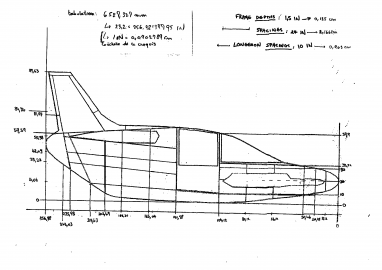
Initial sketch – basic project intuition
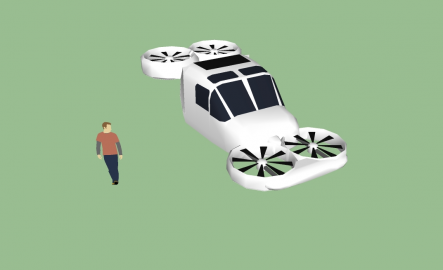
Colored concept – early layout exploration
- MiniBee TRL1 03 colored concept side.png
Side concept view – aircraft readability
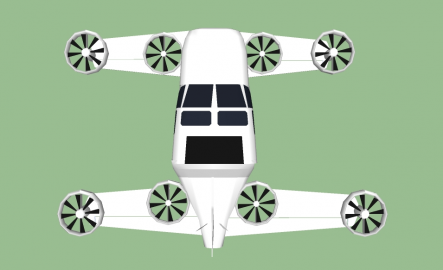
Runway render – aviation environment
- MiniBee TRL1 05 runway render wide.png
Wide runway render – mission communication
Sketch render – concept atmosphere


Basic principles observed
At TRL 1, the project focused on identifying the first principles that could support the future Mini-Bee concept.
|
Vertical take-off and landing VTOL capability was identified as a strong operational advantage for missions in constrained environments. |
Distributed propulsion The project observed that distributing lift across several rotors could open a different design path from conventional helicopter architecture. |
Compact mission aircraft A small two-person aircraft format was considered relevant for focused missions and simplified deployment. |
|
Hybrid energy pathway Hybrid propulsion was identified as a potential way to combine endurance with electric propulsion distribution. |
Operational deployment Transportability and field assembly were considered from the beginning as part of the aircraft logic. |
Safety-oriented architecture Redundancy, emergency descent logic and simplified piloting were identified as important future design drivers. |
What TRL 1 covered
|
Covered at TRL 1
|
Not yet covered at TRL 1
|
Early project development logic
The early Mini-Bee work followed a progressive logic: observe, visualize, discuss, structure.
| 1. Observe | 2. Visualize | 3. Discuss | 4. Structure | 5. Prepare TRL 2 |
| Mission need and basic principles | First sketches and renders | Exchanges with contributors | Initial assumptions and questions | Toward concept formulation |
Visual concept progression
|
From intuition to project identity
The sketch stage helped express the aircraft idea before detailed engineering work.
|
From object to mission context
Placing the aircraft in an operational environment helped clarify its intended aviation role.
|
Initial assumptions
| Assumption | Initial interpretation |
|---|---|
| Mission relevance | A compact VTOL aircraft can address useful emergency and low-infrastructure missions. |
| Distributed architecture | Multiple rotors can offer an alternative to the conventional single main rotor approach. |
| Hybrid propulsion potential | A hybrid chain may combine endurance with distributed electric propulsion. |
| Compact format | A two-person aircraft can remain focused on practical, lightweight missions. |
| Deployment value | Logistics, transport and field assembly should be considered as part of the aircraft concept. |
Questions to solve before TRL 2
Before moving from TRL 1 to TRL 2, several questions had to be clarified:
- Which mission should drive the concept definition?
- Which aircraft architecture should be pursued?
- What level of distributed propulsion is relevant?
- What operational benefit would clearly differentiate Mini-Bee?
- What safety principles should drive the next stage?
- What assumptions must be validated first?
Image files used on this page
| Wiki file name | Use in page | Link |
|---|---|---|
| MiniBee_TRL1_01_initial_sketch.png | Hero image and early concept visual | Open image |
| MiniBee_TRL1_02_colored_concept.png | Visual introduction and gallery | Open image |
| MiniBee_TRL1_03_colored_concept_side.png | Gallery | Open image |
| MiniBee_TRL1_04_runway_render.png | Visual introduction and gallery | Open image |
| MiniBee_TRL1_05_runway_render_wide.png | Gallery | Open image |
| MiniBee_TRL1_06_concept_sketch_runway.png | Visual progression and gallery | Open image |


Why TRL 1 mattered
TRL 1 was a key stage because it established the Mini-Bee project identity.
It transformed an early intuition into a documented project foundation. It also made the concept understandable for contributors, academic partners and future stakeholders.
The early visuals were important because they allowed the project to be communicated before detailed engineering validation.
Transition to the next stage
Next maturity step: TRL 2 – Technology Concept Formulated.
At TRL 2, the project moves from observed principles to a clearer concept definition, including mission framing, first architecture choices and more structured technical assumptions.